
The Quiet Truth About Outgrowing People You Once Loved
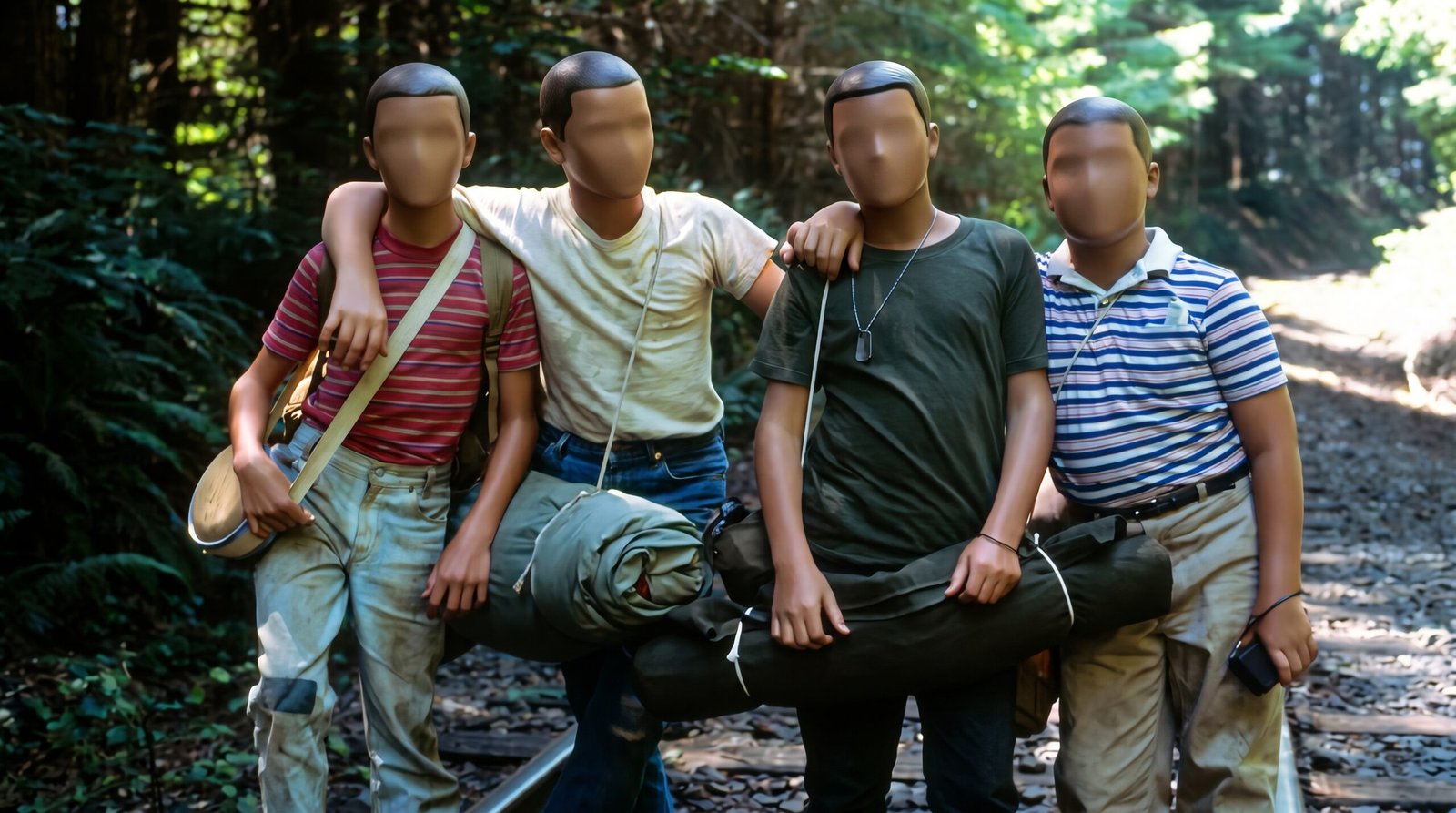
In the late eighties and early nineties, growing up in Philadelphia, I had a ritual. I would flip on Channel 17 and lose myself in whatever movie happened to be on. Stand by Me was one of those movies. I watched it more than twenty times before I fully understood what it was really about. Back then, my favorite scene was the boys in the lake, with leeches on their skin, screaming, laughing through the horror of it. I also connected that film to Boyz n the Hood, two stories about boys navigating the weight of their circumstances, their friendships, and a world that did not always make room for them to grow.
But I recently sat down and watched Stand by Me again. This time through adult eyes. And what held me was not the leeches. It was the last few minutes. The ending. The quiet, gut-punch truth of it.
When They Came Back and Walked Away
There is a particular kind of pain that comes not from a sudden falling out, but from a slow, quiet drift. When they came back into your life for a moment, a reunion, a phone call, or a familiar laugh, and then walked away again. And you are left standing there wondering what it means that something so close could become so distant.
Here is what it means: shared trauma is not a contract. Shared memories are not a guarantee. The closeness you once had in the sleepover conversations, the survival seasons, the moments that left marks no one else could see, none of that is automatically a prerequisite for a lifelong connection. Some of the most real, most meaningful bonds we have ever known were built for a season, not a lifetime. That does not make them less real. It makes them exactly what they were supposed to be.
Think of it this way: two people can go through something together, something that reshapes them both, and still grow in entirely different directions when the season passes. The shared experience was the bridge. But bridges are not always meant to be permanent structures. Sometimes they exist just long enough to get you to the other side.
What the Ending of Stand by Me Actually Says
Adult Gordie, sitting at a computer, typing those final words. He reflects on those boys, his boys, and admits that he never had friends later on like the ones he had when he was twelve. Not better friends. Not the worst ones. Just different. The kind that only exists in one specific chapter of a life.
That line used to feel like a loss to me. Now it feels like permission. Permission to honor what was without requiring it to continue. Those boys walked miles through the woods, faced their fears, and protected one another. And then life happened. They grew up. They grew apart. That summer they were not enough to keep them together forever. The intimacy, the time, the passion. And that is not a failure. That is just the honest truth about how people work.
Gordie did not end that story angry. He spent it remembering. There is a difference. One keeps you stuck. The other sets you free.
Outgrowing Is Not the Same as Betrayal
We do not always lose people because something went wrong. Sometimes we outgrow each other because life asks us to become different versions of ourselves. That is true of friends. It is true of a family. It is even true of the old versions of ourselves that we sometimes have to let go of in order to move forward.
Growing up does not just change your schedule, your responsibilities, or your dreams. It changes who can stand beside you. Who understands the new language your life is speaking? Who still feels familiar when the dust of everything settles. And sometimes, the people who were closest to you in one chapter simply cannot find their footing in the next one. That is not their fault. It is often not yours either. It is just the shape that growth takes.
Friends who carried you through your twenties may not recognize the person you became in your thirties. Family members who knew you one way may struggle to know you another. And the quiet sorrow of losing people who are still alive but no longer close is one of the least celebrated pains of becoming who you are meant to be.
A Moment for the Spirit
Sometimes obedience looks like distance. God does not ask us to stay where we are being weakened, wounded, or pulled away from peace. He gives us wisdom to recognize when a relationship has changed and courage to step back with grace. Walking away does not mean you stopped caring. It means you are choosing healing, discernment, and wholeness over guilt and pressure.
There is a time for closeness, and there is a time for release. Trust that God can fill the empty places with peace, clarity, and new purpose and that the people He assigns to your next chapter are already on their way.
Forgiveness Is Not an Open Door
Healing and forgiveness are not the same as access. Forgiveness is what frees your heart — it does not require you to reopen the door to every person or every pattern that once caused pain. You can forgive and still choose distance. You can release resentment and still protect your peace. That is not bitterness. That is wisdom.
That is part of why the ending of Stand by Me resonates so deeply. It reminds us that some people are tied to our lives through memory, impact, and a shared season, even when they do not remain in our daily story. The bond was real. The love was real. The growing apart was real, too. And the most honest way to honor what was is to let it live in memory while choosing the healing that the present requires.
Although I have removed myself from certain people, it does not mean I am angry. It does not mean I do not forgive them. It simply means they are no longer part of my journey. And I have made peace with that. Some connections have a lifelong impact, even when they are not lifelong in presence. Some of the people who shaped you most are the ones you had to leave in one chapter so you could write the next one.
Honor what was. Protect what is. Trust what is coming.